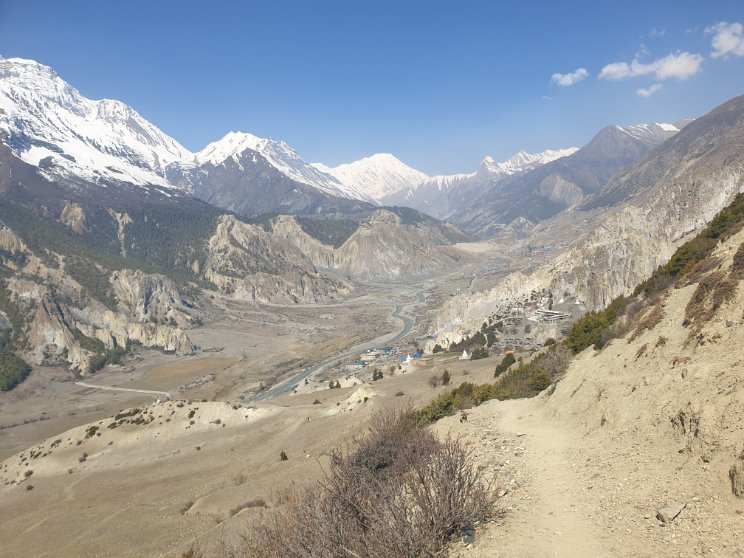
The Himalayas, a vast mountain range spanning across five countries—India, Nepal, Bhutan, China, and Pakistan—have captivated the imagination and devotion of people for millennia. Towering peaks, including Mount Everest, serve as a symbol of nature’s grandeur and mystery. The importance of the Himalayas is multidimensional, spanning spirituality, ecology, and tourism. This article delves into their significance in the past, their role today, and what the future may hold.
The Spiritual Heritage of the Himalayas
Past: A Sacred Abode
Historically, the Himalayas have been revered as sacred in many cultures, particularly within Hinduism, Buddhism, Jainism, and Bon. Mount Kailash, considered the earthly manifestation of Mount Meru, is one of the holiest peaks in Hindu and Buddhist traditions. For thousands of years, sages, monks, and spiritual seekers have sought refuge in the Himalayas to meditate and connect with the divine.
The region is home to ancient temples, monasteries, and ashrams. The caves and forests of the Himalayan foothills were frequented by yogis and ascetics in search of enlightenment. The spiritual traditions born in these remote mountains contributed significantly to the cultural and religious history of the Indian subcontinent.
Present: Spiritual Retreat and Pilgrimage
In the modern era, the Himalayas remain a place of profound spiritual significance. Thousands of pilgrims visit the sacred sites in the region every year, such as Kedarnath, Badrinath, and Hemkund Sahib in India, and Muktinath in Nepal. The mountain range is a destination for both casual spiritual seekers and serious practitioners of meditation and yoga.
The Himalayas’ serene environment fosters a deeper sense of connection with nature and the cosmos. This spiritual magnetism continues to draw people looking to escape the chaos of urban life, making the region a hub for wellness tourism. Retreat centers and yoga schools in places like Rishikesh, Dharamshala, and the Annapurna region in Nepal have gained international recognition.
The Role of the Himalayas in Tourism
Past: Exploration and Discovery
The Himalayas have always intrigued explorers and adventurers. In the 19th and early 20th centuries, European explorers were captivated by these majestic mountains, which led to an era of scientific exploration. Expeditions to chart the highest peaks, including the successful 1953 ascent of Mount Everest by Sir Edmund Hillary and Tenzing Norgay, elevated the Himalayas to global prominence.
Present: Adventure and Eco-Tourism
Today, the Himalayas are synonymous with adventure tourism. From trekking routes like the Annapurna Circuit and the Everest Base Camp trek to more remote trails in Bhutan and Sikkim, the region attracts trekkers, mountaineers, and nature lovers from all over the world. Mountain biking, paragliding, rafting, and skiing are also popular activities.
Ecotourism is gaining momentum as travelers seek sustainable and responsible ways to explore the region. National parks and conservation areas such as Sagarmatha, Langtang, and Manaslu in Nepal, and the Great Himalayan National Park in India, aim to preserve the fragile ecosystems of the Himalayas while allowing visitors to experience its biodiversity.
The Future: Challenges and Opportunities
Climate Change and Environmental Challenges
The future of the Himalayas is closely tied to environmental issues. Climate change poses a significant threat to the region. Glaciers are receding at an alarming rate, threatening water sources for millions of people in South Asia. The increased risk of landslides, floods, and glacial lake outburst floods (GLOFs) due to melting ice presents new challenges for communities living in the region.
Sustainable tourism practices will become increasingly critical in preserving the natural beauty of the Himalayas. Governments and local organizations are taking steps to protect the environment while maintaining tourism as an economic lifeline for many Himalayan communities.
Spiritual Evolution
As the world becomes more connected, the Himalayas are likely to see an increase in spiritual tourism. However, the commercialization of spiritual experiences might dilute the authenticity of some sacred practices. Striking a balance between preserving the spiritual essence of the Himalayas and catering to the growing interest in wellness tourism will be a key challenge in the coming years.
Sustainable Tourism and Cultural Preservation
The future of tourism in the Himalayas lies in sustainable and community-based initiatives. Local cultures and traditions, which are an integral part of the Himalayan identity, must be preserved in the face of increasing tourist footfall. Responsible tourism can help ensure that local communities benefit from tourism without compromising their cultural heritage or environment.
Efforts like the promotion of eco-lodges, waste management systems, and the education of tourists on responsible travel are steps in the right direction. There is also a growing trend toward off-the-beaten-path destinations, which can help reduce pressure on popular tourist areas while promoting lesser-known regions.
The Himalayas have always been more than just a geographic feature; they are a spiritual sanctuary, a natural wonder, and a source of life for millions. From their role in ancient spiritual practices to being a modern-day adventure destination, the significance of the Himalayas continues to evolve.
As we look to the future, the challenge will be to balance the spiritual and ecological sanctity of the region with the growing demands of tourism and development. If approached responsibly, the Himalayas will continue to inspire awe and reverence for generations to come.